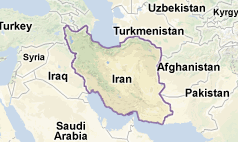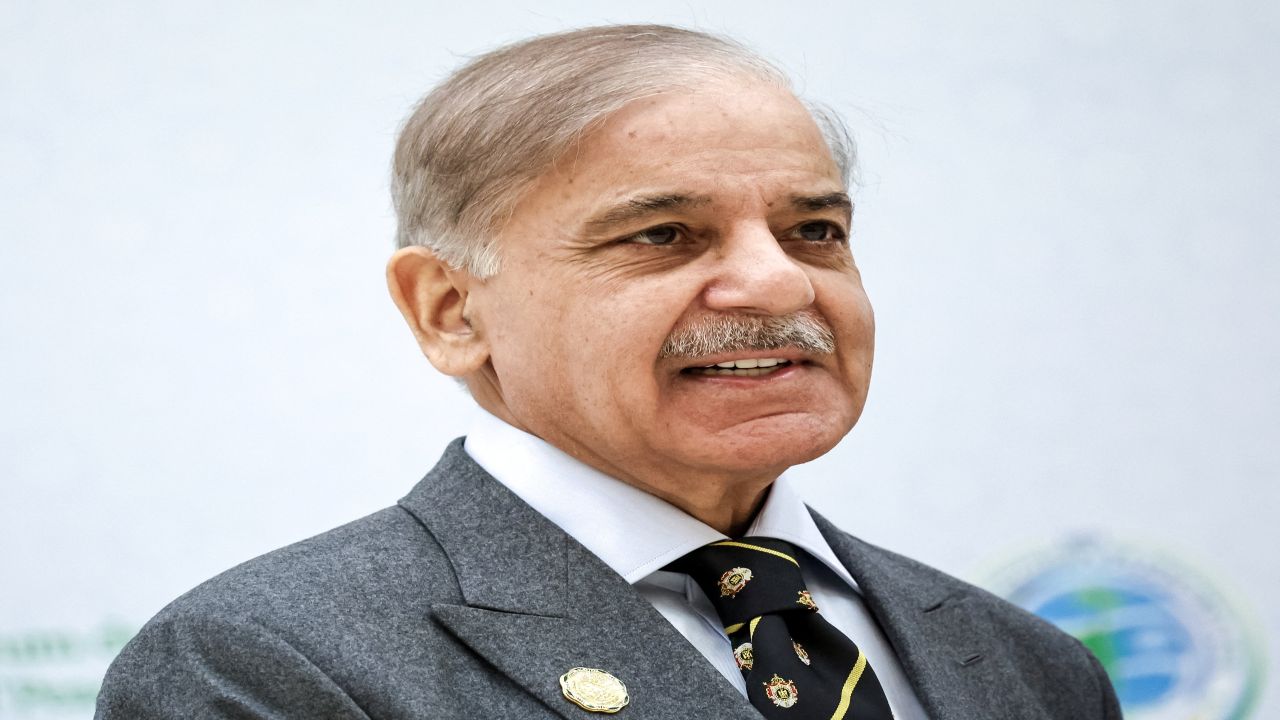
The diplomatic rumor mill just got hit with a sledgehammer. Pakistani Prime Minister Shehbaz Sharif announced on X that a final, agreed-upon text for a historic US-Iran peace agreement has been reached. He claims peace has never been this close.
It's a bold statement. Honestly, it sounds almost impossible given that the two nations were trading missile fire and drone strikes just months ago. But Pakistan has been quietly quarterbacking these intense mediation efforts in Islamabad since late March, working behind the scenes with heavy hitters like Saudi Arabia, Turkey, Egypt, and Qatar.
If you're wondering whether this is just diplomatic theater or a real breakthrough, you aren't alone. The market is already reacting. Oil futures plunged nearly 4% right after the news broke, with West Texas Intermediate dipping below $85 a barrel. Investors are betting that the critical trade artery, the Strait of Hormuz, might finally reopen to oil tanker traffic.
Let's break down what's actually on the table, what the major players are saying, and why this deal could still fall apart before the ink even dries.
Inside the Islamabad Memorandum of Understanding
This isn't a vague handshake agreement. According to senior US administration officials, negotiators have ironed out a formal document dubbed the Islamabad Memorandum of Understanding. They estimate the likelihood of a final signing is sitting around 80 to 85 percent.
The deal framework is built on a high-stakes compromise. The US wants a total dismantling of Tehran's nuclear infrastructure, while Iran wants crippling economic sanctions lifted.
A senior US official outlined five non-negotiable terms embedded in the text. Iran's existing nuclear materials must be destroyed and shipped out of the country. Its enrichment infrastructure will be dismantled. The Strait of Hormuz must guarantee free, unhindered navigation. Iran must completely stop funding regional militant groups. Finally, no frozen Iranian assets will be released until compliance is strictly verified.
Vice President JD Vance made the American stance clear. He posted that the Iranians aren't getting a dime of cash upfront just for showing up to a meeting. Economic benefits will flow only after verified compliance. From the US perspective, this is a "trust but verify" setup on steroids.
The Public Sparring Behind Closed Doors
While Pakistan is celebrating a finished text, Donald Trump and Iranian officials are already fighting over how the deal looks to the public. The diplomacy is messy.
Iranian Foreign Minister Abbas Araghchi struck an optimistic chord, noting that a deal has never been closer. He urged local media to stop speculating on the specific clauses. He promised all details would hit the public sphere in due course.
Trump didn't wait. He quickly took to Truth Social to blast early Iranian state media reports about the deal terms, calling them a complete misrepresentation. He claimed those leaks had absolutely nothing to do with what was agreed to in writing. He slammed the statements as weak and pathetic, adding that dealing with Tehran in good faith is notoriously difficult. He even brought up an unacceptable drone attack against Indian ships leaving the Hormuz Strait as proof that Iran needs to get its act together fast.
Yet, in a bizarre twist of digital diplomacy, Trump later reposted Araghchi's call for media silence on his own account. It's a classic Trump strategy: publicly trash the opponent to keep leverage high, while keeping the backchannel alive because he expects a comprehensive agreement within days.
The Massive Israeli Wildcard
Here's the problem nobody wants to talk about. Israel isn't at the negotiating table, and they aren't happy.
Iranian officials have insisted that any final peace treaty must include a total end to the war on all fronts, including the conflict between Israel and Hezbollah in Lebanon. But Israeli Defense Minister Israel Katz has voiced serious doubts about the entire diplomatic push. Prime Minister Benjamin Netanyahu remains focused on destroying Hezbollah's operational capabilities in southern Lebanon. Israel has no intention of pulling back just because Washington and Tehran managed to agree on a piece of paper in Pakistan.
If Iran makes an absolute end to the Lebanon conflict a hard precondition for signing, the deal dies right here. The US can pressure Israel, but they can't force Netanyahu to halt military operations if he feels domestic security is compromised.
What Happens Next
Don't buy into the hype completely until the official signatures land. The text might be ready, but the hardest part of diplomacy is always the final cross-examination.
Watch the oil markets and the shipping lanes over the coming days. If we see a verified pause in regional proxy attacks and a softening of the rhetoric out of Tel Aviv, the Islamabad agreement might actually stick.
Keep an eye on Trump's schedule. He's hosting events for his 80th birthday before jetting off to the G7 summit in the French Alps. If a signing ceremony happens, it will likely be fast-tracked to serve as a massive geopolitical win right before he meets with skeptical European allies. If negotiations stall over the weekend, expect the rhetoric to turn toxic fast, sending oil prices right back over the $100 mark.