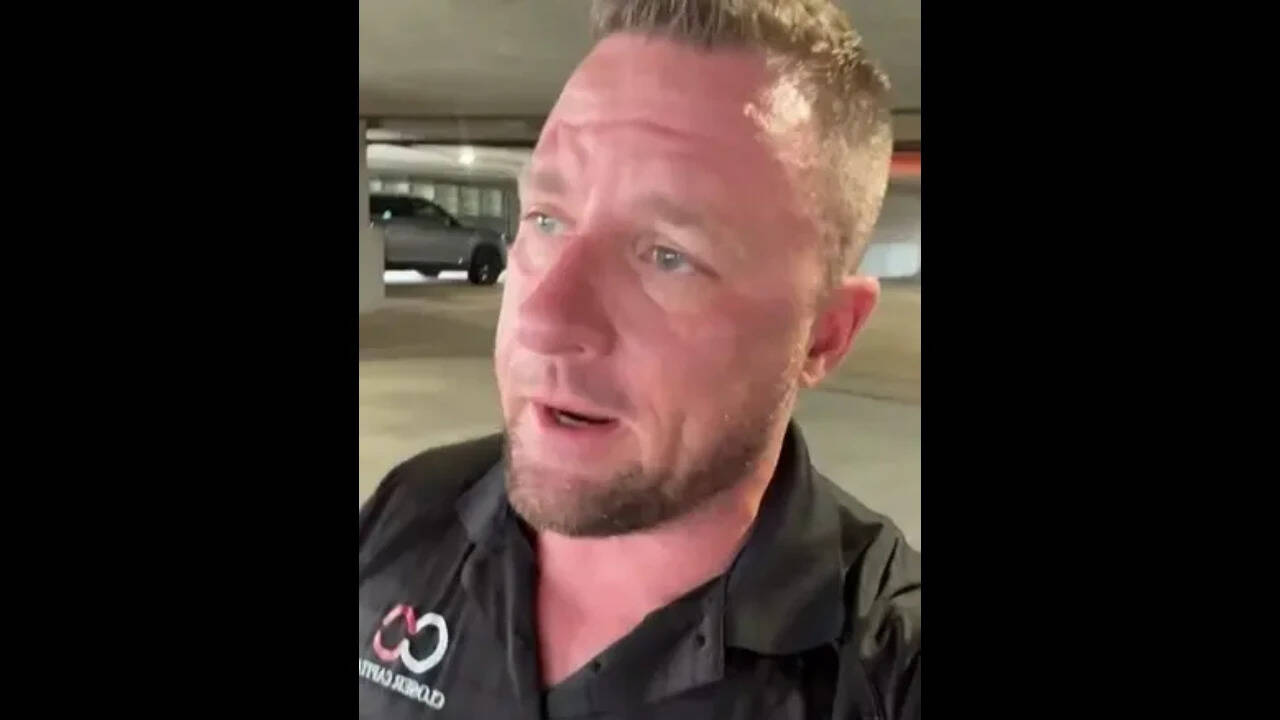
You've probably seen the viral video bouncing around social media. A prominent Texas businessman and CEO, Ryan Stewman, sits in his garage and drops a blunt take on immigration, housing prices, and local demographics in Frisco, Texas. He flatly stated that Indian immigrants in his suburban community commit zero crime, calling it the safest place to live because the population is non-violent and non-confrontational.
It's a hot take that immediately split the internet. On one side, people praised the defense of hard-working tech professionals. On the other, critics balked at the sweeping generalizations.
But behind the viral clip lies a massive, messy reality. Texas tech corridors like Frisco and Plano are currently ground zero for intense friction over H-1B visas, real estate affordability, and cultural shifts. If you want to understand why locals are fighting over suburban neighborhoods, you have to look past the social media talking points and look at the economic data.
The Economic Reality of the Texas Tech Influx
Suburban Dallas didn't become a tech hub by accident. Over the last decade, companies flocked to the Lone Star State for low taxes and business-friendly regulations. Right behind them came a massive wave of high-skilled tech workers, many of them Indian nationals on H-1B visas.
Stewman, a self-described Donald Trump voter who supports America First policies, admitted he used to oppose the H-1B program. He changed his mind for a simple reason. American schools aren't churning out enough engineers and medical professionals to meet corporate demand.
"By large, they're going to school for like gender studies or how to have a septum with piercing blue hair on top of that," Stewman argued, taking a direct swing at domestic education trends.
When you look at the six-figure salaries these visa holders bring into local economies, the financial impact is clear. These aren't entry-level workers. They're senior developers, data scientists, and system architects. They pay substantial property taxes, fund local schools, and spend heavily in upscale suburban commercial zones.
The Housing Scapegoat
The real flashpoint in North Texas isn't actually job competition. It's real estate.
Local online forums and city council meetings in places like Frisco have grown increasingly tense. Earlier this year, a local influencer sparked a massive online debate by accusing immigrant communities of running housing scams and manipulating neighborhood leases. The underlying resentment is simple. Home prices in the Dallas-Fort Worth metroplex skyrocketed, and long-time residents are angry that they're priced out.
It's easy to blame the sudden influx of high-earning foreign workers for making neighborhoods unaffordable. But removing them doesn't fix the problem.
If tech layoffs and tighter visa restrictions force these high earners to leave the country within their 60-day grace periods, housing prices might dip slightly. But a dip won't suddenly make a $600,000 suburban home affordable to someone making minimum wage.
If you drive out the high-income demographic that keeps neighborhood crime rates low and tax revenues high, you risk destabilizing the local economy. You don't get cheaper luxury housing. You just get a weaker tax base.
Crime Statistics vs Online Rhetoric
The claim that any demographic commits zero crime is statistically impossible. Every community deals with bad actors, corporate fraud, or domestic disputes. Stewman acknowledged this, noting that no culture is exempt from fraud.
However, public safety data shows a clear correlation between high-income, highly educated neighborhoods and low rates of violent crime. Frisco and Plano consistently rank among the safest cities in America precisely because their populations are heavily weighted toward married professionals with strict employment requirements. For an H-1B visa holder, even a minor misdemeanor charge can mean immediate deportation and the end of a corporate career. The stakes are too high for confrontation.
Yet, this low-crime reality hasn't protected the community from rising xenophobia. US Congressman Shri Thanedar recently condemned a wave of anti-Indian rhetoric and protests outside Frisco City Hall, calling them disgusting acts of hate. The friction is a classic case of economic anxiety turning into cultural resentment.
What Happens Next for Suburbs and Tech Workers
If you're an executive trying to scale a tech company or a professional navigating the current visa market, you can't rely on internet rants to guide your strategy. The landscape is shifting fast under changing federal guidelines and corporate AI restructuring.
Here is what you need to do next to navigate this environment.
- Diversify your talent pipeline: Companies can't rely solely on a single visa program. Look into regional remote hiring and domestic retraining programs to buffer against policy shifts.
- Track local policy changes: Pay attention to suburban city council meetings and zoning laws. The political pushback in tech hubs like Frisco impacts commercial real estate and corporate relocation decisions.
- Focus on community integration: The corporate leaders winning right now are those who actively bridge the gap between their international workforce and the long-term local residents through transparent community engagement.