The white house calls it an election integrity measure. Critics call it a coordinated voter purge. But the real danger of the administration's rush to build a national citizenship database isn't just the policy itself. It is the timeline.
A newly surfaced Department of Homeland Security memo reveals a massive flaw in how the administration is rolling out its new voting restrictions. State election officials are poised to get their hands on sweeping federal citizenship lists by June 30. The catch? The everyday Americans on those lists won't have a way to check if their information is actually correct until months later.
This creates a terrifying window. State officials can start cross-referencing voter rolls with flawed data while the public remains completely blind. If your name is misspelled or an old clerical error flags you as a non-citizen, you won't even know it happened until your mail-in ballot fails to show up this fall.
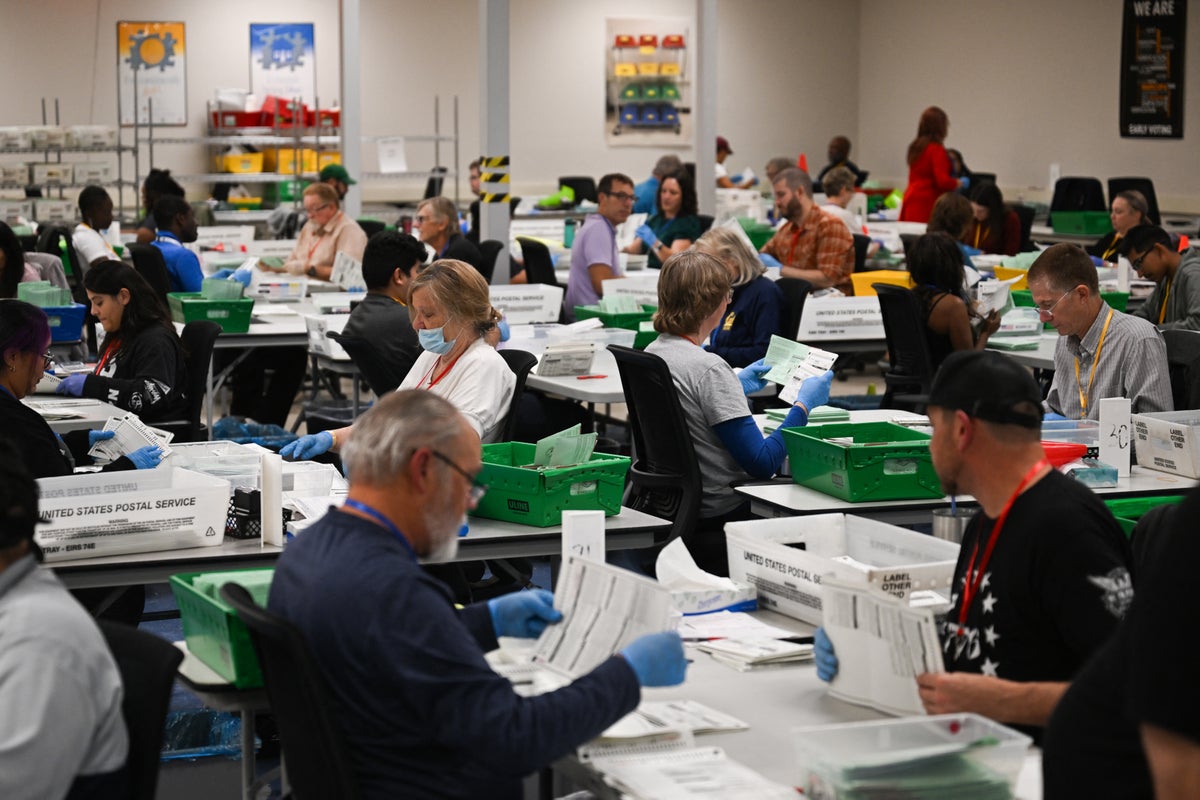
The battle centers on a sweeping executive order signed on March 31 titled Ensuring Citizenship Verification and Integrity in Federal Elections. While voting rights groups immediately sued to stop it, the administration is moving forward at breakneck speed. They are bypassing traditional voter registration systems by targeting the one agency every mail-in voter relies on: the United States Postal Service.
The policy intends to reshape how we vote. Understanding the mechanics of this database reveals exactly why your ballot could be at risk before the upcoming midterms.
The June Deadline You Aren't Hearing Enough About
The Democratic Senatorial Campaign Committee is currently locked in a high-stakes legal fight to block this database. As part of that lawsuit, the government had to submit its actual rollout timeline. That is where the June 8 internal Department of Homeland Security memo came to light.
The memo explicitly admits that building a portal for citizens to audit their own records is too difficult to finish quickly. Federal officials wrote that the government does not believe it is feasible to deliver a production-ready, citizen-facing portal on or about June 30. Yet, that same memo confirms that the portal for state election officials is fully on track for that exact date.
Think about what that means in practice. For weeks, or even months, state partisan officials will possess a powerful tool to scan voter rolls and flag individuals for removal. The database pulls records from U.S. Citizenship and Immigration Services, the Social Security Administration, and the Department of State. Anyone who has naturalized recently, changed their name after marriage, or has a common surname faces a massive risk of a false positive flag.
Database errors happen all the time. Government records are notorious for typos, missing middle initials, and outdated statuses. In normal circumstances, a voter gets a notice and can fix the error. Under this accelerated timeline, the state gets the weapon before you get the shield.
Inside the New Voting List Mechanics
The administration claims this program is necessary to stop non-citizens from voting. They repeatedly point to loopholes and self-certification as major vulnerabilities. However, numerous independent studies, including data from the Brennan Center for Justice, prove that non-citizen voting is mathematically microscopic. It simply does not happen on a scale that impacts elections.
The true mechanism of the executive order works by creating a multi-tiered screening process. The federal government compiles a State Citizenship List of confirmed citizens over 18 and transmits it to state capitals.
Why a Broken Portal Puts Your Ballot at Risk
When database matching goes wrong, the consequences are immediate. Imagine a voter named Maria Garcia who became a citizen five years ago. Her naturalization record is clear at Homeland Security, but her Social Security file hasn't updated properly.
When the state runs the federal list, Maria gets flagged as a discrepancy. Because the citizen-facing portal is broken, Maria cannot log in to see her status or upload her passport. The state can move to challenge her voter registration based on federal data she has no power to view. By the time the public portal opens late this year, the registration deadlines for the midterms may have already passed.
This isn't hypothetical. Past attempts to use federal databases like the Systematic Alien Verification for Entitlements program to clean voter rolls led to disaster. In 2012, Florida attempted a similar purge using federal data and ended up with a list of thousands of eligible citizens wrongly targeted for removal. Most of them were Hispanic, Black, and Asian-American voters.
The Constitutional Power Grab Over Your Mail
The legal strategy behind this executive order is crafty. The U.S. Constitution leaves the times, places, and manner of holding elections directly to the individual states. When the administration tried to pass a unilateral proof-of-citizenship requirement last year, federal courts struck it down because it violated this basic state sovereignty.
To get around that constitutional brick wall, the administration shifted its focus. They aren't telling states how to run elections this time. Instead, they are telling the United States Postal Service what mail it can legally carry.
The executive order forces the Postmaster General to create strict rules for mail-in and absentee ballots. Under these rules, the Postal Service cannot transmit an outbound ballot unless the voter is enrolled on a specific federal participation list. It essentially turns the mail carrier into a federal election gatekeeper.
Legal experts are deeply skeptical. Many point out that the Postal Service is governed by an independent board of governors. The president does not have the unilateral authority to dictate delivery terms for official election mail. Prominent voting rights litigators have vowed to fight this in court, but the administration is gambling that the legal clock will run out before November.
The 60 Day Trap for Vote by Mail
The logistical details inside the executive order create a massive bottleneck for local election clerks. It requires states to notify the Postal Service 90 days before an election if they plan to use mail-in voting. Then, 60 days before the election, the state must hand over its list of eligible mail-in voters to the federal government.
This completely overwrites existing state election laws. Look at Arizona as a prime example. Arizona law allows voters to request a mail-in ballot up to 11 days before an election. If the federal government freezes the approved mail-in list at the 60-day mark, what happens to a voter who requests a ballot 30 days before the election?
The federal executive order implies that the Postal Service would be prohibited from delivering that ballot. This creates an immediate conflict between state mandates and federal directives. It leaves local election workers caught in the middle, facing potential federal prosecution threatened by the Department of Justice if they distribute ballots to anyone deemed ineligible by the new federal standard.
What You Can Do Right Now to Protect Your Vote
Do not wait for the courts to solve this. The legal battle is messy, and a federal judge recently declined to block the creation of the list, calling a preliminary injunction premature because implementation hadn't officially started yet. Now that the June 30 implementation date is arriving, the threat is real. You need to take active steps to ensure your voting status remains secure.
First, check your current voter registration immediately through your local county elections office or state portal. Do not take for granted that your registration is safe just because you voted in the last election. Check that your name exactly matches your state driver's license and your Social Security records. Minor differences can trigger automated flags.
Second, if you plan to vote by mail, request your ballot the absolute first day your state allows it. Do not wait until autumn. Getting your request processed before the 60-day federal cutoff window gives you a buffer if bureaucratic delays hit your local office.
Third, monitor your mail closely for any official notices from your local elections supervisor. If you receive a letter questioning your citizenship or registration status, respond instantly. You have a legal right to provide proof of citizenship, such as a U.S. passport or birth certificate, to resolve discrepancies before the rolls are locked.
The administration is betting that confusion and tight deadlines will keep people from pushing back. Staying informed and acting early is the only way to ensure your voice is heard at the ballot box.