Seafarers don't sign up to be drug mules. Yet, a Federal High Court in Lagos just slammed 11 Indian sailors and their merchant vessel with a massive $6 million financial penalty.
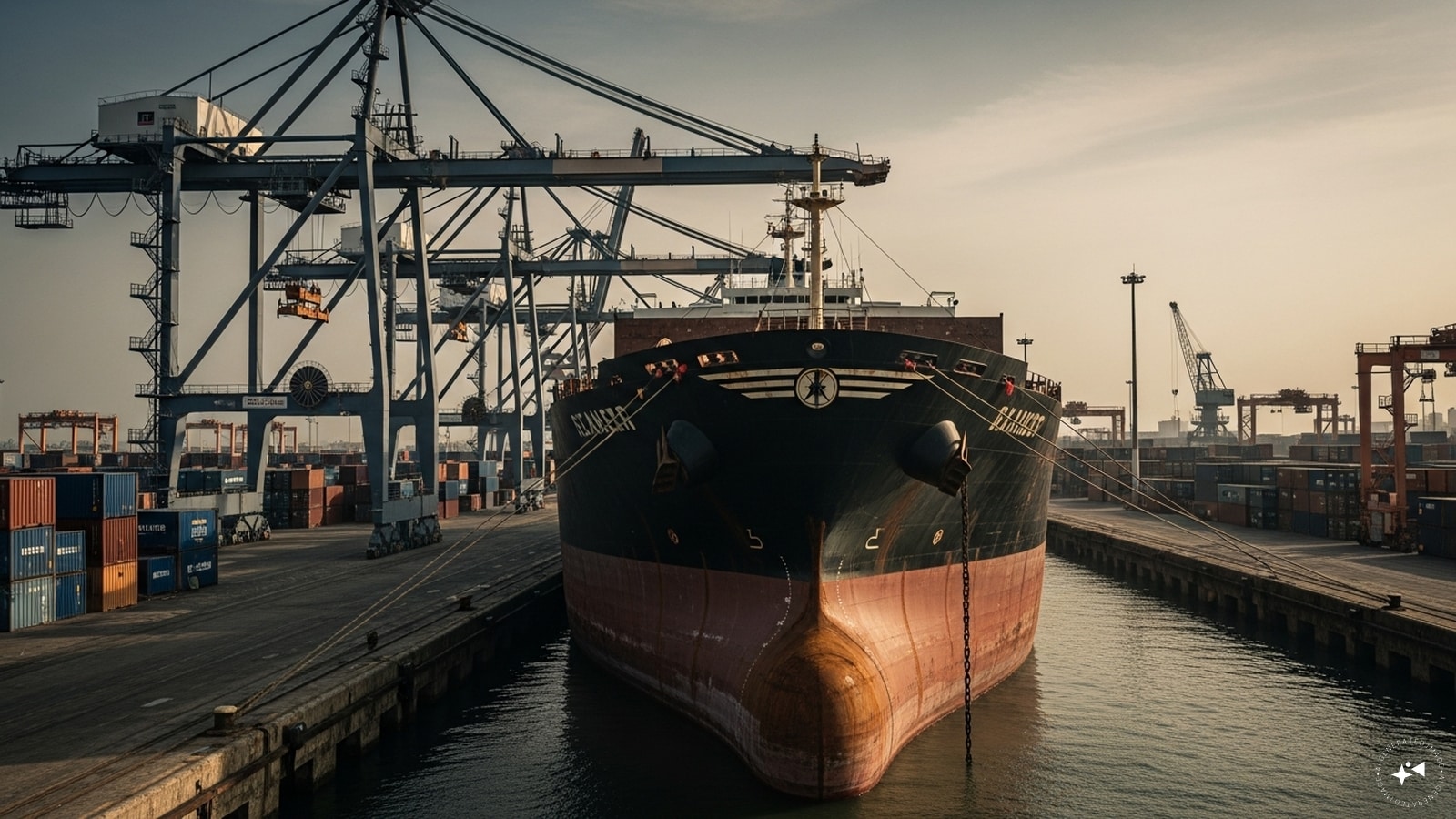
The ship, MV Aruna Hulya, rolled into the Apapa Port in Lagos after a long journey from the Marshall Islands. It looked like a routine commercial delivery. It wasn't. Operatives from Nigeria's National Drug Law Enforcement Agency (NDLEA) swarmed the vessel. They opened up Hatch 3. Hidden inside the storage compartment was 31.5 kilograms of high-grade cocaine.
The discovery immediately transformed the crew from standard merchant mariners into international drug trafficking suspects.
The Heavy Price of Blind Spots at Sea
The legal hammer fell hard. Justice Joseph Aneke adopted a plea bargain agreement that quickly wrapped up a tense six-month legal battle. The crew had been sitting in custody since the initial raid.
The breakdown of the $6 million penalty reveals how international maritime drug laws penalize both the individuals and the corporate entities owning the steel.
- The Vessel's Burden: The court ordered the MV Aruna Hulya to pay a staggering $5.3 million in restitution directly to the Federal Republic of Nigeria.
- The Officers' Tax: The ship's master, Captain Sharma Shashi Bhushan, along with two other senior officers, faced a personal fine of $100,000 each.
- The Crew's Share: The remaining eight crew members were slapped with $50,000 fines apiece.
- The Statutory Token: Every single one of the 11 sailors also received a mandatory local fine of 100,000 Nigerian Naira under Section 25 of the NDLEA Act.
Here's the kicker. The shipowners are the ones holding the bag for the bulk of this money. If they can't or won't cough up the $5.3 million restitution, the Nigerian government won't hesitate to auction off the massive merchant vessel to clear the debt.
Why Merchant Ships Are the Perfect Target
You might wonder how 31 kilograms of cocaine gets into a ship's hold without the captain noticing. It happens constantly. International drug cartels view global shipping lanes as their personal highway system.
Commercial ports are chaotic. Thousands of containers move every hour. Cargo holds are vast, dark, and filled with blind spots. Cartels often use local port workers, stevedores, or underwater divers to drop contraband into unsuspecting vessels during midnight stops. The technical term is the "blind hook" method. The crew above deck is often completely oblivious until foreign federal agents show up with drug-sniffing dogs.
Nigeria's NDLEA Chairman, Mohamed Buba Marwa, made it clear that this ruling is meant to send a warning shot across the bow of international syndicates. Nigeria is tired of being used as a primary transit hub for South American drugs heading toward the lucrative European market.
The Severe Reality of Strict Maritime Liability
Maritime law operates on a brutal principle when it comes to contraband. It's essentially strict liability. If it happens on your ship, it's your problem.
Defending yourself by saying "I didn't know it was there" rarely works in a foreign court. The prosecution only needs to prove the illicit substance was inside the structure of the vessel. For shipping companies, a single rogue package can freeze millions of dollars in capital, stall supply chains, and ruin corporate reputations overnight.
The Indian crew chose a plea bargain for a simple reason. It beat spending the next twenty years in a maximum-security West African prison. They paid the cash to secure their freedom.
How Shipping Lines Can Protect Assets and Personnel
Global shipping companies must completely change how they handle port security in high-risk zones. Trusting standard port security protocols is a financial death wish.
You need to implement strict, redundant security measures before your vessel drops anchor in known transit zones.
Upgrade Physical Barriers on Deck
Lock down every non-essential storage compartment before entering port limits. Use high-security, tamper-evident seals on all hatches, specifically lower void spaces like Hatch 3. If a seal is broken during a voyage, you log it instantly. This creates a clear paper trail proving the intrusion happened from the outside.
Implement Continuous Video Surveillance
Basic deck watches aren't enough anymore. Install high-definition, low-light CCTV cameras that cover cargo access points, rudder trunks, and overboard structures. Store the footage on a secure cloud server outside the ship’s physical network. If local authorities accuse your crew, you have the raw footage to show exactly who approached the vessel.
Conduct Independent Underwater Hull Inspections
Cartels love welding parasitic containers onto a ship's hull below the waterline. Before departing high-risk ports in South America or West Africa, hire private, certified dive teams to sweep the hull and rudder assembly. Finding the contraband yourself and reporting it immediately protects you from the massive corporate fines associated with a hostile seizure.
Commercial shipping is inherently risky, but getting caught in the crosshairs of global drug cartels is a risk you can actively mitigate. Don't let your vessel become the next multi-million dollar headline in Lagos. Secure your perimeter, document every entry, and protect your crew from the liabilities of the high seas.