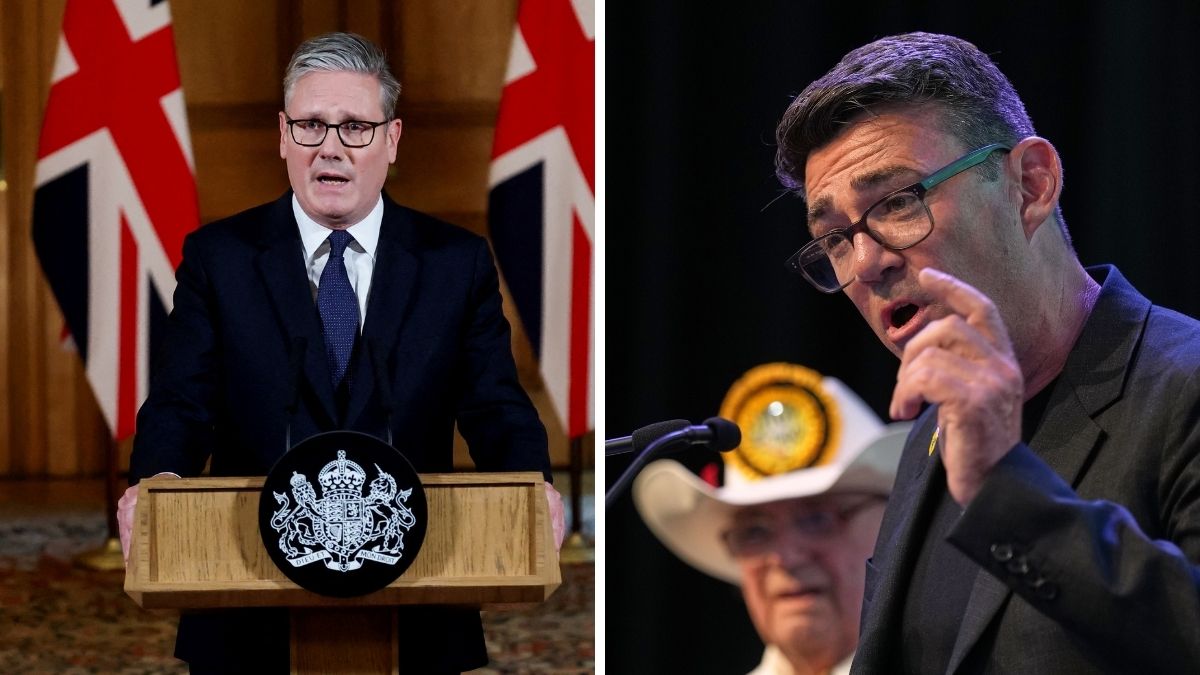
The game is officially over for Keir Starmer. Standing outside 10 Downing Street on Monday morning, the Prime Minister announced he is stepping down as leader of the Labour Party, ending weeks of intense speculation about his political survival. He has confirmed that he asked Labour's National Executive Committee to set out a clear timetable for succession, with nominations officially opening on July 9.
It is a stunning collapse for a man who led his party to a massive landslide victory just two years ago in July 2024. Now, he leaves office as the second shortest-serving Labour prime minister in British history.
The writing has been on the wall for months. The final blow came over the weekend following a high-stakes by-election in Makerfield. Andy Burnham, the former Greater Manchester Mayor who was previously blocked by Starmer's allies from running for a parliamentary seat, secured a massive victory to return to Westminster. Within hours of Burnham taking his seat, the internal rebellion reached a boiling point, forcing Starmer to face the harsh reality that he completely lost the confidence of his own parliamentary party.
The Incidents that Torpedoed Starmer's Premiership
You cannot trace this collapse to a single event. Instead, it was a steady accumulation of political missteps, broken promises, and ethical hypocrites that left voters feeling completely alienated. Starmer ran on a platform of bringing serious, clean governance back to Westminster after years of Tory chaos. Yet, his administration quickly became mired in the exact same brand of elite entitlement.
The scandal known as "freebiegate" severely damaged his reputation. Voters struggling with a brutal, ongoing cost-of-living crisis watched as news leaked that top Labour officials were accepting luxury gifts. Starmer himself accepted expensive Taylor Swift concert tickets and a pair of designer glasses valued at £240 from Labour peer Waheed Alli. While a pair of glasses might sound minor, the optical illusion of a prime minister taking handouts while cutting energy support for pensioners was absolutely devastating.
Then came the catastrophic decision to appoint Peter Mandelson as the UK ambassador to the United States. Mandelson, a controversial figure with historical ties to Jeffrey Epstein, was a choice that baffled even Starmer's closest allies. It triggered an immediate backlash across the political spectrum, destroying any lingering claims that Labour represented a fresh start.
Policy Reversals and an Identity Crisis
Beyond the personal scandals, Starmer's policy agenda was fundamentally directionless. He became a leader defined entirely by what he was against, rather than what he stood for. His government executed sharp turns on key promises, alienating both the left and right wings of his voter base.
- On welfare, his team pushed billions of pounds in cuts to sickness and disability benefits while flatly refusing to implement a wealth tax on the UK's richest individuals.
- On immigration, Starmer tried to sound tough by stating that immigration risked turning Britain into "an island of strangers," an expression that deeply offended liberal voters. Just 46 days later, he was forced to publicly apologize, saying he deeply regretted using the phrase, which managed to anger working-class voters who felt he was backtracking.
- On foreign policy, his continued material and political support for military actions in Gaza alienated a massive chunk of progressive and minority voters who had historically formed the backbone of the Labour coalition.
The electoral consequences were swift and brutal. During the local elections, Labour suffered a historic bloodbath, losing control of 35 councils and nearly 1,500 councillors. According to polling data from YouGov, Starmer's unfavourability rating hit a staggering 75% earlier this year. His net favourability of minus 57 put him on par with Liz Truss. He wasn't just unpopular; he became a lightning rod for the public's deep frustration with the entire political system.
The Internal Rebellion and the Rise of Andy Burnham
By mid-May, the dam broke. More than 95 Labour MPs openly demanded that Starmer either step down immediately or publish a formal exit timeline. High-profile figures began jumping ship. Health Secretary Wes Streeting resigned from the cabinet in protest, alongside four junior ministers, including Jess Phillips, and multiple ministerial aides.
The bleeding continued into June when a bitter dispute over planned defense spending triggered another wave of high-profile departures from the Ministry of Defence, including Defence Secretary John Healey.
With Starmer's authority entirely shot, the stage was set for a succession battle. Andy Burnham's definitive 54.8% victory in the Makerfield special election was the final trigger. Burnham represents everything Starmer is not: charismatic, unbothered by Westminster bubble politics, and highly popular with working-class northern voters.
Burnham has already confirmed he will throw his hat into the ring for the upcoming leadership election. In a strategic twist that surprised many insiders, former Health Secretary Wes Streeting announced he will not run, choosing instead to back Burnham to avoid a prolonged summer civil war.
What Happens Next in British Politics
Starmer confirmed he will remain in place as prime minister over the summer to oversee an orderly transition. The official timeline aims to have a brand-new prime minister installed before Parliament returns from its summer recess in September.
For everyday citizens and businesses, this means Britain is entering another period of profound political paralysis. This marks the sixth time a prime minister has left office in the past ten years. The extraordinary level of churn at the top of British governance makes long-term economic planning virtually impossible.
If you are tracking the immediate impact of this transition, keep a close eye on these specific developments over the next few weeks.
- Watch the formal opening of leadership nominations on July 9 to see if any serious left-wing or centrist candidates emerge to challenge Burnham's momentum.
- Monitor nationwide polling numbers for Reform UK, led by Nigel Farage, and the Green Party, as both outsider parties are actively capitalizing on Labour's internal chaos to siphon away voters.
- Track the value of the British pound and UK gilt yields over the summer recess, as financial markets hate leadership vacuums and will respond sharply to the policy platforms proposed by incoming leadership contenders.
The British electorate is completely exhausted by Westminster drama. Whoever wins the race to replace Starmer will inherit a deeply fractured party, a stagnant economy, and an electorate that has zero patience left for empty promises.