You step onto a city bus, tap your transit card, and find a seat. It's a routine millions of people repeat every single day. But in Kansas City, Missouri, that mundane commute is turning into a high-stakes experiment with your face as the biometric passport.
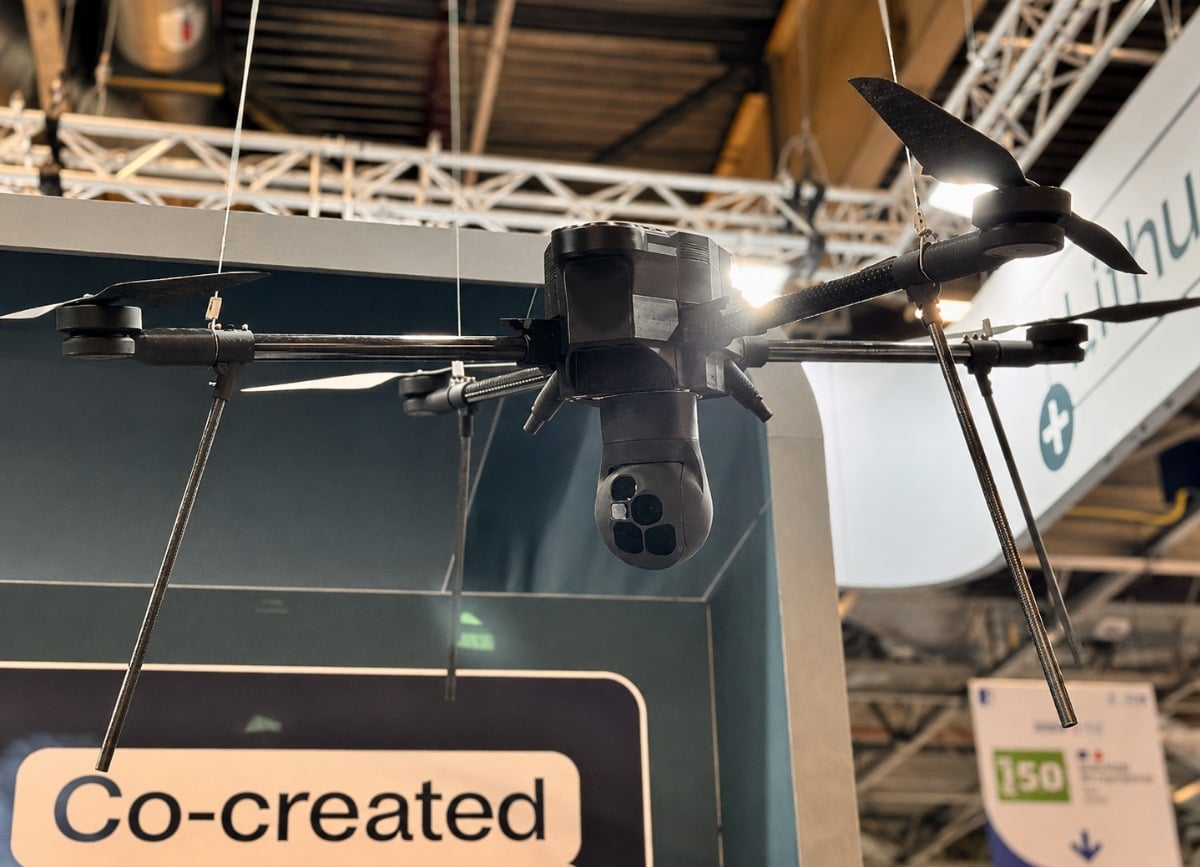
The Kansas City Transportation Authority is pushing forward with a plan to scan the faces of riders using live biometric software. The goal sounds reasonable enough on paper. Transit officials want to cross-reference riders against a database of banned passengers, missing persons, and law enforcement watch lists. If you aren't on the list, the tech company behind the software claims your data instantly vanishes. If you liked this piece, you might want to check out: this related article.
But let's be totally honest. This is a massive shift in how public spaces are monitored in the United States. We aren't talking about standard security cameras that record footage for review after a crime occurs. We're talking about active, live surveillance that scans every single individual who relies on public infrastructure just to get to work or go to the grocery store. It crosses a clear boundary between standard security and constant surveillance.
The Messy Reality Behind the Delayed Rollout
The city originally planned to deploy these biometric cameras in the spring. The hope was to have everything running smoothly before the massive influx of international crowds arrived for the World Cup matches. That didn't happen. For another perspective on this development, refer to the latest coverage from Ars Technica.
The project hit a wall due to technical issues and a sudden financial reality check. To run live biometric scanning alongside a modern fare collection system, the buses needed upgraded Wi-Fi routers. More importantly, the state of Missouri looked at the biometric component and quietly backed out of funding it. The financial gap forced local officials to rely heavily on federal and local money to keep the project alive.
Because the tech wasn't ready, the transit authority had to scramble. They deployed up to 40 extra human officers to patrol transit centers and bus stops during the soccer matches. Yet, the tech push hasn't stopped. Transit officials actually plan to expand the initial rollout from nine buses to 30 later this year.
How the Tech Operates in Real Time
SafeSpace Global, the Tennessee-based vendor supplying the tech, emphasizes that the system isn't hoarding data on everyday citizens. The process is designed to operate through a sequence of automated checks.
- Capture: The camera identifies a human face as a rider boards the bus.
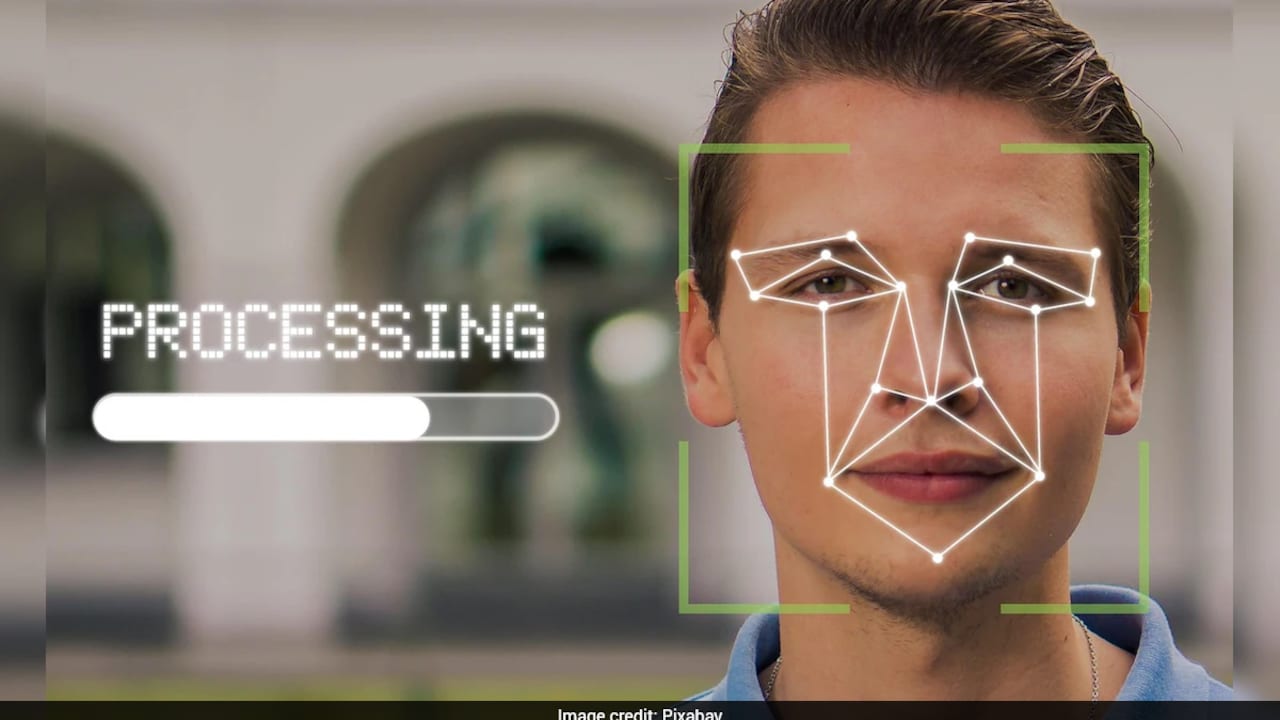
- Comparison: The software translates facial features into data points and compares them against a specific watch list.
- Action: If a match occurs, an alert goes to transit staff. If there's no match, the biometric data gets discarded immediately.
The company points out that they've used similar systems in nursing homes to track residents with dementia and in correctional facilities. But applying this to an open public transit network is a completely different ballgame.
While the biometric data might be wiped instantly for non-matches, the standard video footage itself doesn't disappear. The transit authority stores that traditional video on local servers for up to five years.
Why Privacy Advocates Are Sounding the Alarm
Jay Stanley, a senior policy analyst with the American Civil Liberties Union, points out that pointing live biometric software at open public spaces crosses a line we haven't seen breached in the last quarter-century.
The biggest concern is function creep. Today, the list might only include people explicitly banned from the bus system for violent behavior. Tomorrow, it could easily expand. It's incredibly easy to add new databases to digital software once the infrastructure is bought and paid for. Your local bus ride could quickly become a tool for tracking missed child support payments, outstanding parking tickets, or political protestors.
There's also a glaring issue with accuracy. Biometric systems have a well-documented track record of misidentifying people of color. A prominent New York Times investigation previously revealed how faulty biometric software led to the wrongful arrests of Black citizens who were misidentified by automated systems. When a computer error can result in a rider being kicked off a bus or confronted by armed law enforcement, the margin for error is simply too high.
Public Transit Isn't a Controlled Environment
Transit officials often argue that we're already tracked everywhere we go. License plate readers spot our cars in bus lanes. Businesses use private security cameras. Your smartphone tracks your location.
But those arguments ignore a fundamental truth about public transit. For low-income residents, students, and working-class families, the bus isn't a luxury choice. It's a necessity. You can choose not to walk into a private store that uses aggressive tracking tech. You can't easily choose to stop taking the bus to your job when you don't own a car.
By forcing biometrics onto public transit, cities are essentially telling their most vulnerable residents that the price of mobility is their biometric anonymity.
What Happens Next
Kansas City is a massive litmus test for the rest of the country. If the public accepts the tech here, expect transit authorities in dozens of other major U.S. cities to follow suit. If you want to protect your digital footprint in public spaces, you can't just ignore what's happening in Missouri.
Keep an eye on local transit board meetings in your own city. Demand clear transparency regarding what vendors your local government is talking to. Ask hard questions about data retention policies and database sharing before the cameras are bolted to the ceiling of your daily commute. Once this infrastructure is built, you won't be able to turn it off.