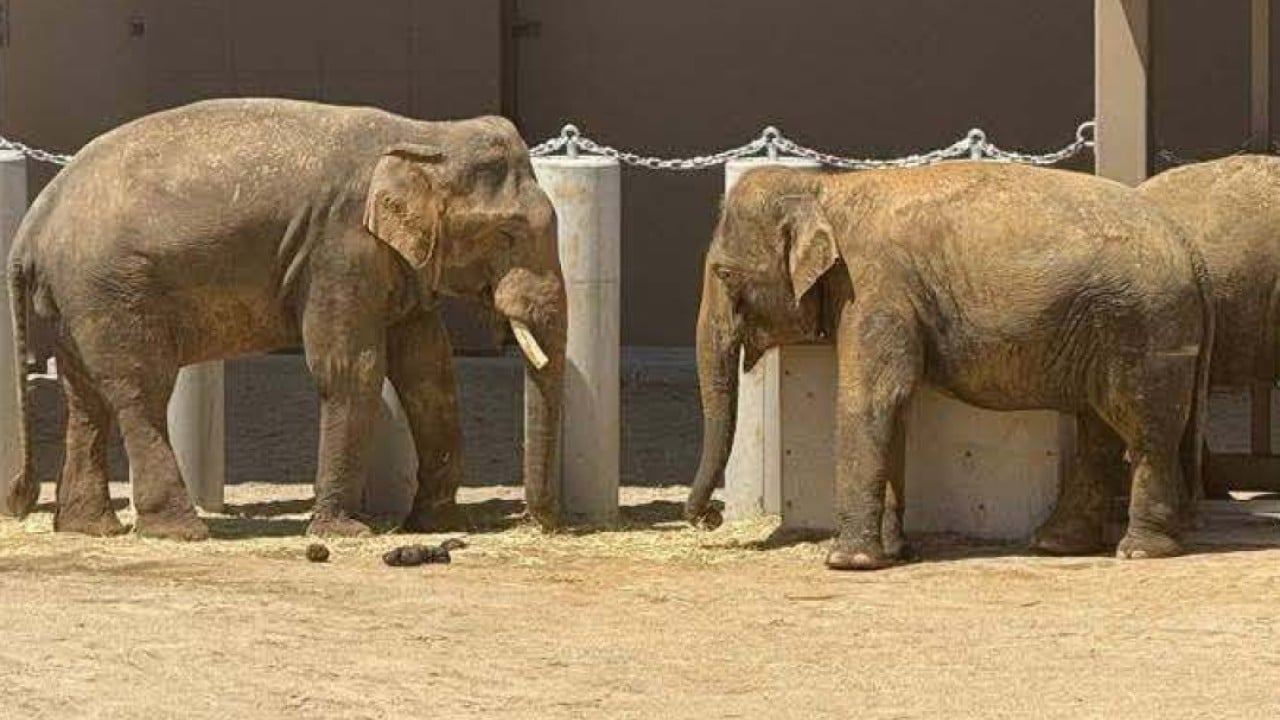
When three Asian elephants boarded a flight from Malaysia to Osaka, Japan, the official story sounded lovely. It was framed as a 25-year bilateral conservation and research program between Taiping Zoo in Perak and Tennoji Zoo. But that cozy narrative completely fell apart. Now, the Malaysian Anti-Corruption Commission has launched a full-blown investigation into what looks like a massive multi-million dollar wildlife trafficking scandal masquerading as scientific cooperation.
The Fifty Million Ringgit Question
Local wildlife groups blew the whistle on this deal after noticing huge financial inconsistencies. The NGO Hak Asasi Hidupan Liar Malaysia dropped a bombshell when they revealed that transactions worth roughly RM53 million (around US$12 million) linked to the relocation never actually entered the Malaysian government's coffers.
If a foreign institution pays tens of millions of ringgit for a conservation program, that money should go straight into state treasury accounts to fund local habitat protection. Instead, independent investigators allege that the cash was routed directly into the private bank accounts of eight specific individuals. The anti-graft agency is tracking down this money trail, targeting officials inside the Ministry of Natural Resources and Environmental Sustainability along with the Department of Wildlife and National Parks, locally known as Perhilitan.
Wild Caught and Document Misdirection
The scandal gets worse when you look at how these animals were classified. Advocates have produced air waybills and export documents showing that Dara, Amoi, and Kelat—the three elephants in question—were actually caught from the wild.
International wildlife treaties like CITES place strict limits on trading wild-caught endangered species. You can't just round up wild elephants and ship them overseas to fill foreign zoo enclosures. Doing so bypasses local protection laws designed to prevent the depletion of Malaysia’s remaining wild herds.
The paperwork also features baffling administrative anomalies. The export documents were reportedly endorsed by a state veterinary officer from Pahang instead of an official from Perak, where Taiping Zoo is actually located. This geographical mismatch has led legal experts to suspect that someone intentionally ran the paperwork through a different state jurisdiction to bypass stricter oversight or avoid questions from local rangers who knew the animals' true origins.
Stress Walls and a Broken Tusk in Osaka
While politicians and agents argue over missing millions, the animals are paying the actual price. Activists monitoring the elephants at Tennoji Zoo reported that one of them, Kelat, suffered a fractured tusk.
Public updates from animal welfare groups show that the elephants have shown severe signs of captivity-induced distress. The animals are used to roaming tropical forests thick with canopy leaves, mud, rivers, and soft turf. Instead, their new home features heavy concrete barriers and restricted space. Activists allege Kelat broke his tusk by repeatedly slamming it against the enclosure gates out of pure frustration and anxiety. Perhilitan tried to downplay the issue, claiming it was just a routine trim after a minor crack, but the explanation came only after intense public backlash.
"These are highly intelligent, deeply emotional animals. Tearing them from their natural tropical habitats and placing them in cold, concrete enclosures causes immense psychological trauma that manifests in self-destructive behavior." — Datin Shereen Yunos, Wildlife Activist
The Public Outcry Hits Parliament
Malaysians are furious about the deal, and the momentum to bring Dara, Amoi, and Kelat back home is growing rapidly. Activist Neow Choo Seong recently completed a highly publicized protest run all the way from the town of Taiping down to the Parliament building in Kuala Lumpur. He carried a formal memorandum demanding that lawmakers openly debate the legality of this transfer and push for immediate repatriation negotiations.
Prominent public figures joined the protest run along the way, turning a localized environmental complaint into a major national news story. The public pressure forced the anti-graft agency's hand, leading to the current active criminal investigation.
What Needs to Happen Next
This isn't an isolated bureaucratic mix-up. It points to a systemic vulnerability in how endangered wildlife transfers are approved across Southeast Asia. To prevent this from happening again, concerned citizens and conservationists must focus on immediate policy updates.
- Demand full transparency on CITES permits: Write to local representatives and demand that all international wildlife export permits be published on a public registry before any animal leaves the country.
- Support independent legal tracking: Follow and fund legal advocacy groups like Pertubuhan Pelindung Khazanah Alam Malaysia who have the resources to file court injunctions against suspicious wildlife exports.
- Push for immediate repatriation talks: Keep the pressure on the Ministry of Natural Resources to open an official dialogue with the Osaka municipal government to return the elephants before winter temperatures cause further health declines.


