A missing teenager is every parent's absolute worst nightmare. For weeks, the city of Baton Rouge held its collective breath, hoping fifteen year old Ja'Derrius Minnieweather would walk through his front door safe and sound. Volunteers combed fields. Neighbors posted flyers. The community rallied. Tragically, those hopes came crashing down with a devastating announcement from local authorities.
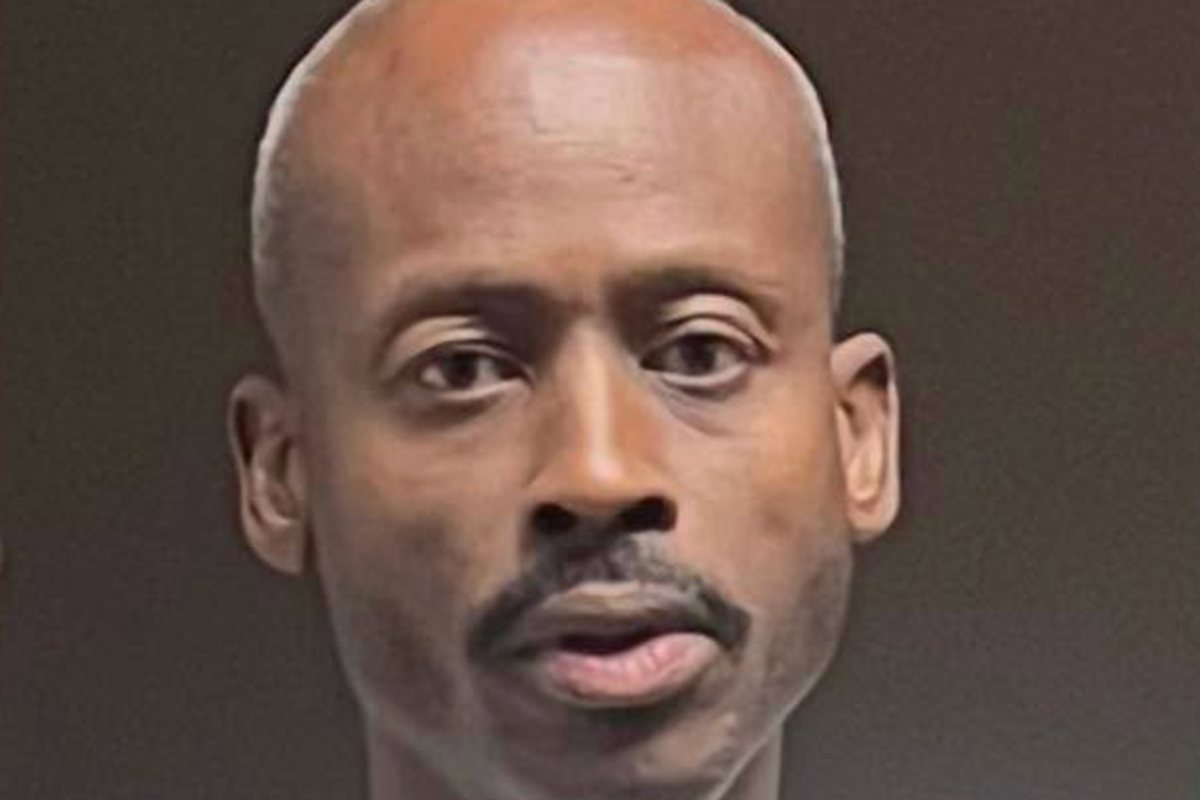
Police arrested fifty-one year old Maurice Parms. He faces a first-degree murder charge. Investigators believe a brutal confrontation ended the young boy's life, even though search teams haven't recovered his body yet. Meanwhile, you can explore related developments here: Why Alberta Flooded Farmland Threatens Your Dinner Table This Year.
The details emerging from the arrest warrant are chilling. They paint a picture of a senseless argument that escalated into lethal violence. This isn't just another sad headline. It's a stark look at how quickly a confrontation can turn fatal and how meticulous police work can crack a case even when a suspect tries to cover their tracks.
The Disappearance and the Initial Search
Ja'Derrius Minnieweather went missing on June 6, 2026. One day he was there, and the next, he vanished without a trace. His family immediately knew something went wrong. Fifteen year olds don't just disappear into thin air. To understand the complete picture, we recommend the detailed report by The Washington Post.
Local community groups didn't wait around. The United Cajun Navy, known for their rapid deployment in natural disasters and missing persons cases, jumped into action. They organized massive search parties. They deployed volunteers to scour neighborhoods, wooded areas, and bayous. Baton Rouge Mayor-President Sharon Weston Broome and Police Chief T.J. Morse pleaded with the public for any information, even offering a cash reward for leads.
The energy on the ground was intense. People wanted answers. Everyone felt the urgency because time is the ultimate enemy in missing child cases. The statistical likelihood of a positive outcome drops significantly after the first forty-eight hours.
How a Separate Investigation Exposed the Suspect
While the community searched the physical streets, detectives worked the digital ones. This is where the story takes an even darker turn. Investigators didn't pull Maurice Parms' name out of a hat. They were already looking at him for an entirely different, deeply disturbing reason.
During the initial phase of tracking Ja'Derrius' last known movements, digital forensics led police to Parms. They discovered that Parms had been interacting with a sixteen year old girl. Court documents revealed he sent her inappropriate messages. He sent her money through Cash App. He even took her shopping.
Because of those discoveries, police initially booked Parms on charges of indecent behavior with juveniles and computer-aided solicitation for sexual purposes. He has a lengthy criminal record that includes past arrests for armed robbery and simple burglary. He was able to bond out after that first juvenile arrest. That didn't sit well with the community, but it gave detectives the time they needed to build a much bigger case.
Blood Surveillance and a Trail of Contradictions
Detectives kept their eyes locked on Parms. They started comparing his formal statements with hard physical evidence. The suspect's story fell apart almost immediately.
Parms gave investigators a specific timeline and account of his actions. Surveillance cameras told a completely different story. Video footage caught Parms riding a bicycle that investigators linked directly to the case. Later, cameras captured him throwing multiple items into various garbage cans around the area. He was actively destroying evidence.
The physical evidence grew much heavier when forensics teams got involved. Investigators executed search warrants. They found blood stains at the scene of the suspected encounter. They found more blood inside Parms' own truck.
According to court records, the fatal encounter stemmed from an intense argument regarding the treatment of a young girl. The disagreement turned violent. Police believe Parms beat the teenager to death and then used his vehicle to transport and dispose of the body.
The Reality of Prosecuting Murder Without a Body
Charging someone with first-degree murder without a body is a difficult legal hurdle. Many people assume you can't convict a killer if the victim's remains are missing. That's a total myth.
Proving a "no-body" homicide requires a mountain of circumstantial and physical forensic evidence. Prosecutors must prove two things beyond a reasonable doubt. First, they must show the victim is actually dead and not just hiding or running away. Second, they must prove the defendant caused that death with specific criminal intent.
In this case, the Baton Rouge Police Department feels confident. The combination of blood evidence in the truck, video surveillance showing the disposal of items, and the direct contradictions in the suspect's alibi create a powerful timeline. Chief T.J. Morse made it clear that while the arrest brings a sense of legal progress, the department's job is far from finished. The search for Ja'Derrius' remains continues daily.
Community Action and Critical Next Steps
This tragedy leaves a community grieving and angry. It highlights the volatile nature of violent crime and the critical importance of keeping a close eye on repeat offenders within local neighborhoods.
If you want to support the ongoing efforts or protect your own neighborhood, here are the most effective actions you can take right now.
- Report Surveillance Footage: If you live or own a business in the Baton Rouge area near the suspect's residence, check your security cameras from the week of June 6, 2026. Small details like a passing truck or a timestamp can secure a conviction.
- Support Volunteer Search Groups: Organizations like the United Cajun Navy rely entirely on donations and local volunteers. Consider donating your time or resources to keep their search operations funded.
- Keep the Victim's Family in Mind: Avoid spreading unverified rumors on social media. Stick strictly to verified updates from the Baton Rouge Police Department to ensure the integrity of the upcoming trial.
Justice takes time. The legal system moves slowly, but the evidence gathered so far suggests that accountability is coming.